
When we talk about excellence in tourism, the temptation is to equate the concept with exclusive luxury standards, high budgets, and five-star properties. But is this really the key to winning over the Italian traveler?
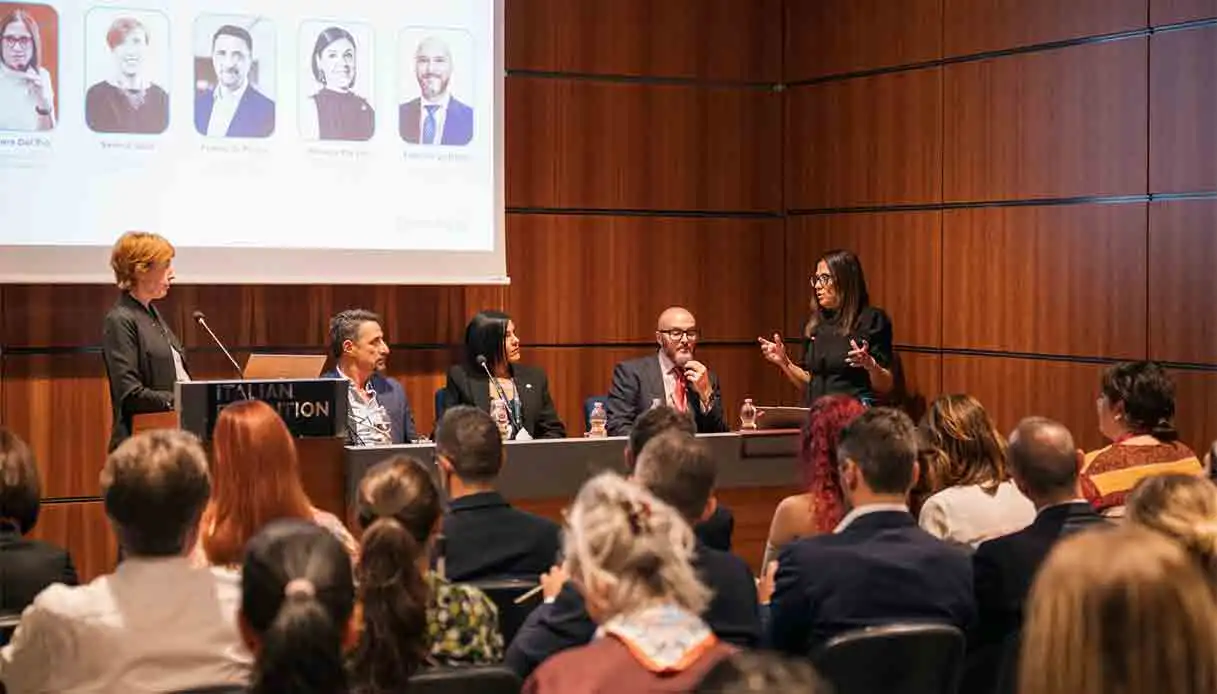
This was discussed in Rimini during TTG Travel Experience 2026 at a roundtable organized by SiViaggia and Hopscotch Italy entitled “The Formula of Excellence – What Truly Matters (and What Remains) in the Heart of the Traveler.”
The event, moderated by Barbara Del Pio, Editorial Manager for Italiaonline, featured input from several travel players who shared their experiences and case histories: Serena Valle (GM Tourism Hopscotch Italy), Franco Di Pietro (CEO Yalla Yalla), Michela Marzoli (Director of Marketing & Communications Club del Sole) and Fabrizio Quattrini (Senior Sales Manager HeyLight), one of the leading consumer credit companies which, from 2025, became part of the Monte dei Paschi di Siena S.p.A. Group.
To shed light on the topic, the data-driven analysis from the Travellyze platform, presented by Valle, overturns industry clichés. What defines an excellent vacation is not ostentation but the ability to combine authenticity, a strong value-for-money, and deep personal satisfaction, capable of naturally translating into word-of-mouth.
Among three- and four-star hotels, villages and small towns preferred to large metropolises, and a tourism that favors relaxation and discovery, blended with culture, the study paints a portrait of a versatile traveler. The most prominent “ambassadors” of this formula are not tourists with pharaoh-level budgets, but a upper-middle segment—driven by senior and middle-aged travelers—who prize authentic experiences and balance.
Below is the complete analysis of the data and preferences that shape the face of today’s Italian tourism.
The Study
The study draws on Travellyze data, an exclusive cloud-based platform that conducts semi-annual surveys on representative samples (in Italy, about 1,500 respondents per semester) to analyze demographics, travel behaviors, and destination perceptions.
It examined in detail the concept of excellence, at the heart of the roundtable. Tourism excellence, the study reveals, is not defined solely by elevated budgets or ostentatious luxury, but by perception, high satisfaction at the end of the trip, and, above all, the recommendation (the desire to share and advise others about the experience).
The choices of Italian travelers regarding accommodations, a topic addressed by Franco Di Pietro of Yalla Yalla, a platform dedicated to the online booking and sale of travel packages and cruises, showed that preferences clearly favor 3/4-star hotels (52.5%), bed & breakfasts (30%), and private homes (21%), while five-star (9.5%) and international chains (7.8%) remain marginal.
Regarding destinations and travel motivations, the sea (61.7%) and the mountains (37.9%) lead, with a preference for small towns (46.2%) over large cities. Relaxation is the main motivation (46.2%).
Additionally, a special note was given to the approach: Italian travelers primarily value quality-price ratio and authenticity, combining multiple motivations (relaxation, culture, and discovery).
Michela Marzoli of Club del Sole, the Italian group comprising 29 holiday villages – soon to welcome a thirtieth – including family resorts, camping villages, and boutique resorts spread across eight Italian regions, commented on the centrality of recommendation.
From an economic standpoint, the peak of perceived and recommended excellence does not belong to the highest spending brackets, but to the upper-middle bracket (10,000-20,000 euros per year), reaching 92.5%.
In conclusion: tourism excellence, today, is what is told, sought, and recommended. A deep understanding of this target allows shaping a travel offering truly tailored to the needs of the contemporary Italian tourist.
