
How will European tourism change over the next ten years? Accor asks this question and has built a study based on the forecasts of Tourism Economics; the continent will experience steady growth, but flows will shift from the well-known destinations to lesser-known locales to move away from overtourism. A 32% increase in overnight stays is anticipated… a result that appears set to be quite interesting.
European destinations that will attract the most travelers
But which destinations will be capable of drawing the largest number of travelers? France, Spain and the United Kingdom will continue to dominate the European tourism scene. Yet there is movement even away from the most frequented spots. Central and Eastern Europe, the Baltic countries and parts of the Balkans could capture a growing share of visitors, driven by a desire to discover different places and break away from the usual itineraries.
Among the destinations to watch are Poland, the Czech Republic and Hungary. Kraków, Prague and Budapest are far from unknown. And yet their historic heritage, together with a vibrant cultural scene, could contribute to strengthening the tourism weight of the entire region. Well-regarded cities, yes, but with further growth potential.
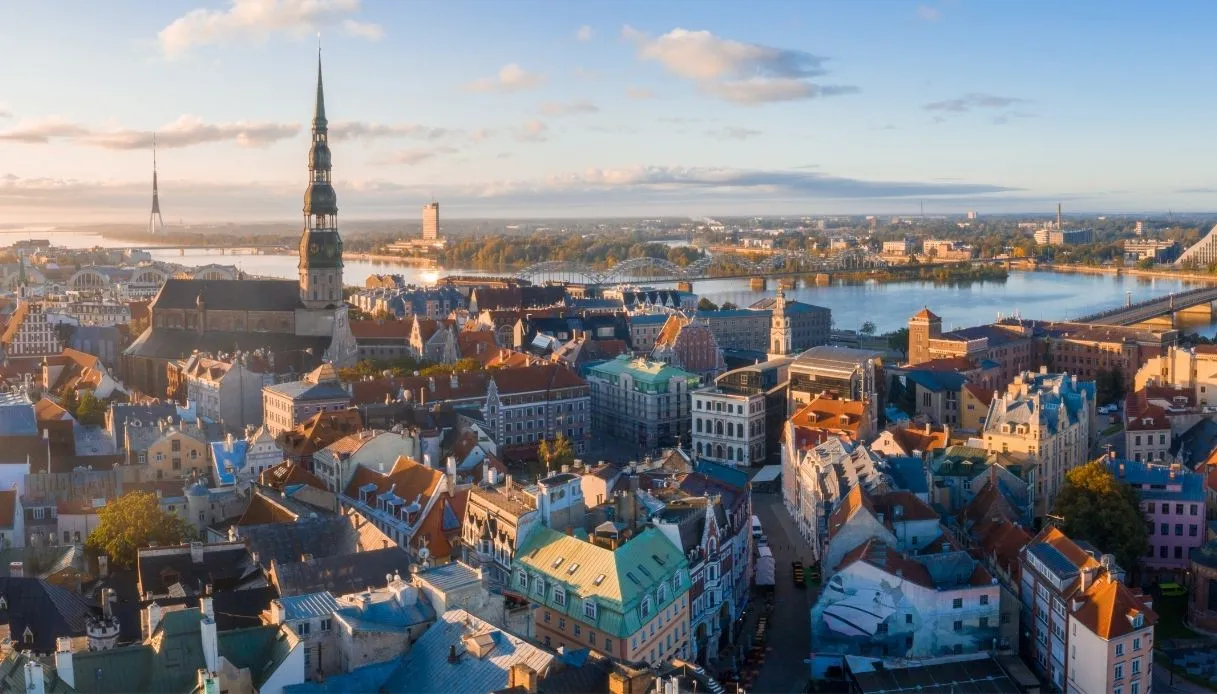
Then there is the Baltics. Tallinn, Riga (which will record an 83% increase in overnight stays) and Vilnius are drawing the attention of those seeking an alternative to Western Europe’s major capitals. What sets them apart are the historic centers, the architecture and the possibility of combining a city visit with exploring the natural landscapes of Estonia, Latvia and Lithuania.
And in the Balkans? Albania and Montenegro remain destinations to watch. Coasts, mountains and cultural routes offer travel possibilities that are still relatively unexplored compared with other areas of the continent. The growing interest in less-traveled destinations could provide further momentum to local tourism.
The major European destinations will retain their appeal. But for a portion of travelers, in the coming years, the choice could increasingly fall on a Baltic capital or an itinerary along the Balkan coasts.
The new map of European tourism
It will be primarily international tourism that drives Europe’s travel growth over the next ten years. By 2036, overnight stays by foreign visitors will have risen by 42%. We are talking about roughly one billion additional nights per year, with foreign tourism expenditure expected to exceed 1,300 billion euros.
Growth will be fastest for flows from the Middle East and the Asia-Pacific region, with arrivals up by 93% and 88% respectively. But changes will also occur within European borders. Tourists from Central and Eastern Europe will travel more than those from Western markets, aided by better connections, new investments and lower travel costs.
Italy will continue to play a leading role. Forecasts point to an overall 33% increase in overnight stays by 2036, again driven by international demand, expected to grow by 45%.
The great capitals and the best-known destinations will remain at the heart of tourist routes. They will not lose their appeal. What will change is the distribution of flows, with a growing share of travelers directed toward less frequented territories. A broader geography of tourism, in which alongside traditional destinations there will be room for new ones.