
Sunday, September 6 marks the return of the eagerly awaited event Domenica al Museo, the initiative promoted by the Ministry of Culture that allows free discovery, on the first Sunday of every month, of numerous castles, museums, archaeological parks, villas, state gardens, and monumental complexes that participate.
This is a successful occurrence that, month after month, brings together hundreds of institutions scattered across the national territory and offers a day dedicated to the knowledge of Italian archaeological and artistic heritage, from the smallest towns to the largest cities.
Museums and sites open free of charge from North to South: a selection
Starting from the North, in Lombardy you can visit, among others, the National Archaeological Museum and the Palazzo Ducale Museum of Mantua, the Grotte di Catullo and the Archaeological Museum of Sirmione, and the Sanctuary of Minerva in Breno (Brescia). In Piedmont, free entry will be available to the Abbey of Fruttaria in San Benigno Canavese, to the Archaeological Area of Libarna in Serravalle Scrivia, as well as to the Royal Museums of Turin, to Palazzo Carignano and to Villa della Regina.
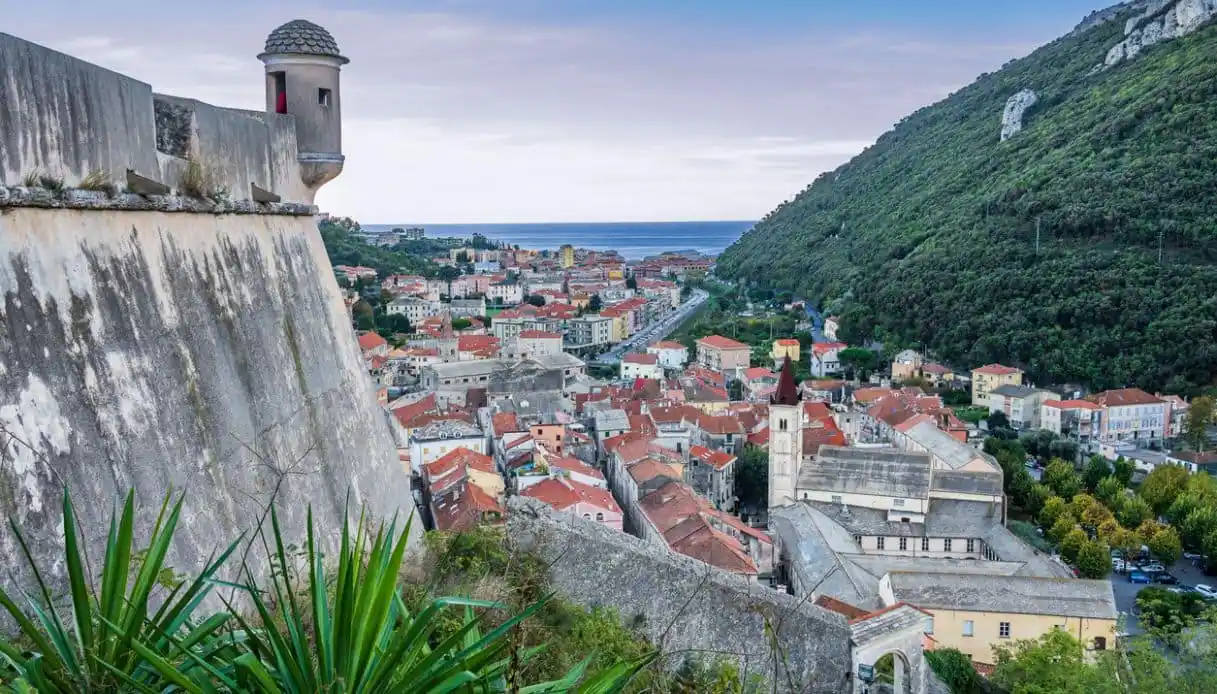
In Liguria, admission is granted to the Fort San Giovanni in Finale Ligure (Savona), to the Archaeological Area of Nervia in Ventimiglia and to the National Gallery of Palazzo Spinola and the Palace of the Royal in Genoa; Veneto participates with, among others, the National Archaeological Museum of Verona, the Archaeological Area of Feltre (Belluno) and the National Collection Salce Museum of Treviso, at the San Gaetano and Santa Margherita sites.
In Friuli Venezia Giulia you can freely access, for example, the Archaeological Area of the Town of Torre (Roman villa) in Pordenone and the Paleochristian Basilica of Via Madonna del Mare along with the Historical Museum with the Miramare Castle Park in Trieste.
Moving toward Central Italy, in Emilia Romagna the initiative includes the Basilica of Sant’Apollinare in Classe, the Baptistery of the Arians, the Mausoleum of Theodoric and the National Museum in Ravenna; in Tuscany, in addition to the Uffizi in Florence, the Museum of Casa Vasari in Arezzo, the Archaeological Park of Roselle in Grosseto and the Monumental Complex of the Certosa of Calci (Pisa), while in Abruzzo the National Archaeological Museum of Campli (Teramo) and the House of Birth of Gabriele d’Annunzio in Pescara are included.
In Molise the free-entry applies to the Archaeological Museum of Santa Maria delle Monache in Isernia and the Museum in Palazzo Pistilli in Campobasso, while the Marche offer, among others, the National Archaeological Museum of Ascoli Piceno, the Antiquarium Statale di Numana and the Rocca Roveresca in Senigallia. In Lazio, Hadrian’s Villa, Villa d’Este, the Archaeological Area of Hadrian’s Villa and the Sanctuary of Hercules Victor.
Descending to the South, in Campania you can admire the archaeological parks of Pompeii, Paestum and Herculaneum, Villa Sora, the MANN (National Archaeological Museum of Naples), Capodimonte, Castel Sant’Elmo and the Reggia di Caserta; in Calabria, for example, the National Gallery of Cosenza, La Cattolica di Stilo and the Archaeological Parks of Crotone and Sibari.
The Basilicata participates with the Archaeological Park of Herakleia in Policoro, the Temple of the Palatine Tables in Bernalda (Matera) and the Exhibition Site in the Palazzo Ducale of Tricarico; In Puglia free access opens to Castel del Monte in Andria, the Svevo Castle in Trani, the Archaeological Park of Monte Sannace in Gioia del Colle and the Jatta National Museum in Riva di Puglia.
Finally, in Sardinia, the Archaeological Park of Caprera is a must-see, and in Cagliari the National Pinacotheca, the Basilica of San Saturnino and the National Archaeological Museum await visitors.
Useful information for organizing your visit
The sites participating in Domenica al Museo on September 6 will follow their usual opening hours. Before planning your day, it is therefore advisable to check the latest updates on the official channels of the individual museums, archaeological parks, and cultural sites, in order to verify exact opening times and access modalities.
It is also helpful to consult information issued by the Ministry of Culture, since entry conditions can vary from one facility to another. In particular, for museums and more frequented sites, reservations may be required or recommended, even though access within the initiative remains freely free of charge.