
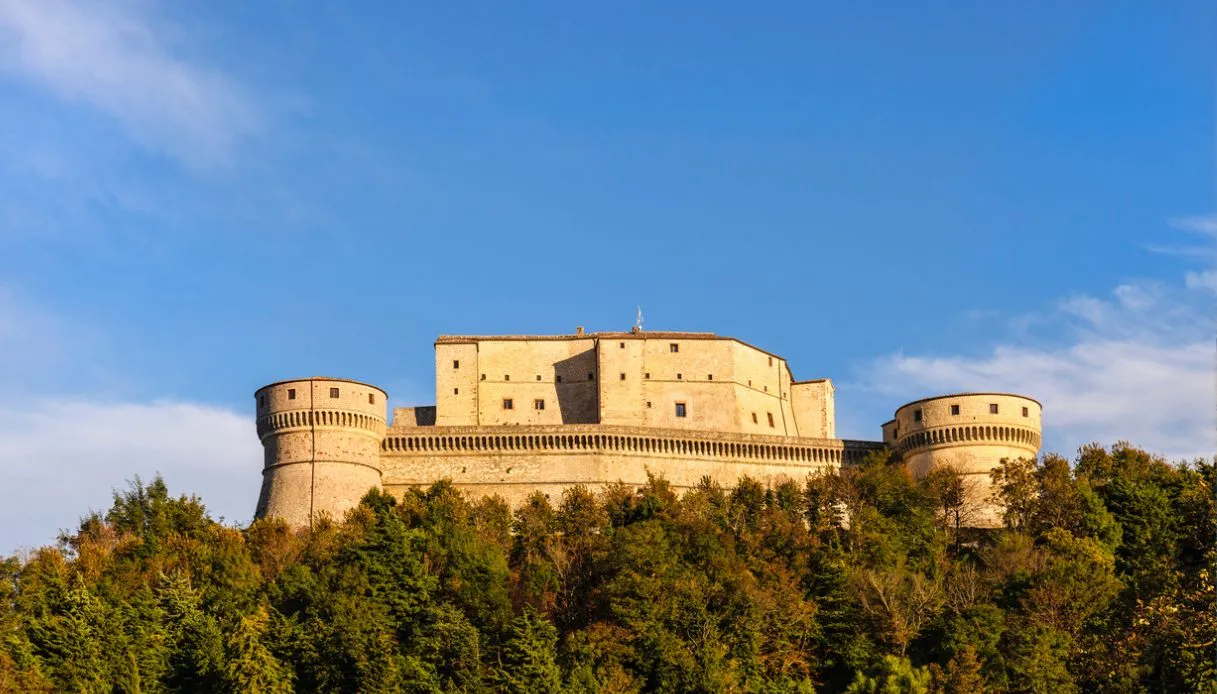
Sunday, October 4 returns Domenica al Museo, the Ministry of Culture’s initiative that, on the first Sunday of every month, allows visitors to visit for free the cultural sites that participate in the project: castles, museums, archaeological parks, villas, state gardens and monumental complexes spread from north to south.
The event, now well established, attracts a large audience each month and involves hundreds of cultural sites across the country. It is an opportunity to dedicate a day to discovering Italy’s historical, artistic and archaeological heritage, ranging from small towns to major cities and from lesser-known realities to symbols of national culture.
Sites and museums free to visit from North to South: a selection
Starting from the North, in Piemonte one can visit, among others, the Vezzolano Abbey in Albugnano (Asti), the Royal Museums, Palazzo Carignano, Villa della Regina in Turin, and the monumental complex of the Ducal Castle, its garden and the park of Agliè. In Lombardy, free access will be possible to the National Archaeological Park of the Massi di Cemmo (Brescia), the Espiatoria Chapel of Monza, the Roman Villa and Antiquarium of Cremona and the Cenacolo Vinciano and the Pinacoteca di Brera in Milan.
In Veneto, space is given to the National Etruscan Museum of Este (Padua), to Villa Pisani in Stra (Venice), to the Concordiese National Archaeological Museum in Portogruaro and to various famous sites in Venice including the Museum of Oriental Art, the Gallerie dell’Accademia and the Giorgio Franchetti Gallery at Ca’ d’Oro; Friuli Venezia Giulia participates with, among others, the Fondi ex Pasqualis of Aquileia and the National Museum of Underwater Archaeology of the Upper Adriatic in Grado.
In Liguria, free access is available, for example, to the National Gallery of Palazzo Spinola and the Palace of the Royal in Genoa, as well as to the Roman Villa of Varignano in Portovenere; in Emilia-Romagna the initiative includes the Remains of the Roman city of Mevaniola (Galeata), the Fortress of San Leo (Rimini), the Monumental Complex of the Pilotta in Parma and the Castle of Langhirano in Torrechiara.
Continuing towards Central Italy, in Tuscany, besides the Uffizi in Florence, one can visit the Museum of Arts and Popular Traditions of the Upper Tiber Valley – Palazzo Taglieschi in Anghiari (Arezzo), the National Museum of Villa Guinigi and the National Museum of Palazzo Manzi in Lucca; in the Marche a free ticket is offered for the Rocca di Gradara, the National Archaeological Museum of Cingoli Moscosi and the National Archaeological Museum of Ascoli Piceno, while Molise proposes the Castle of Capua in Gambatesa (Campobasso), the Velasce Amphitheatre in Venafro and the Italic Sanctuary of Pietrabbondante (Isernia). In Lazio, alongside the numerous sites in Rome, there is also the National Archaeological Museum of Formia and the Abbey of Fossanova in Priverno (Latina), whereas in Abruzzo the House-museum of Gabriele d’Annunzio in Pescara and the National Archaeological Museum La Civitella in Chieti.
Heading further south, in Calabria one can admire the Church of San Francesco d’Assisi in Gerace, the Museum and Archaeological Park of Bova Marina and the Museum and Archaeological Park National of Locri; in Campania, for example, the Reggia di Caserta, the Roman Theatre of Benevento and Castel Sant’Elmo and the Certosa di San Martino in Naples. Puglia participates with the Castello Svevo of Trani, the National Archaeological Museum and Castle of Gioia del Colle and the Castello Svevo of Bari; in Basilicata the National Museums of Matera and the National Archaeological Museum of Muro Lucano open their doors to visitors for free.
Finally, in Sicily, Palermo offers the RISO, the museum of modern and contemporary art, with a new occasion to discover the exhibition “Fernando Botero. The Weight of Dreams” (ongoing until October 31) through a visit dedicated to the master’s language, the Salinas where the visit will traverse the collections of Sicily’s oldest archaeological museum, and the cloister of the Benedictine Monastery in Monreale.
Closing the itinerary, Sardinia presents, among others, the National Painting Gallery, the Basilica of San Saturnino and the National Archaeological Museum in Cagliari.
Useful information for the visit
On the occasion of Sunday at the Museum on October 4, the participating cultural sites will maintain their usual opening hours. Before planning your visit, it is advisable to consult the official channels of the museum, the archaeological park or the chosen facility, in order to verify any updates on hours and entrance procedures.
To better organize the day, it is also useful to refer to communications from the Ministry of Culture, since access rules may vary from one site to another. In museums and cultural places that typically experience higher attendance, for example, booking may be required or recommended. Even in these cases, participation in the initiative remains free.