
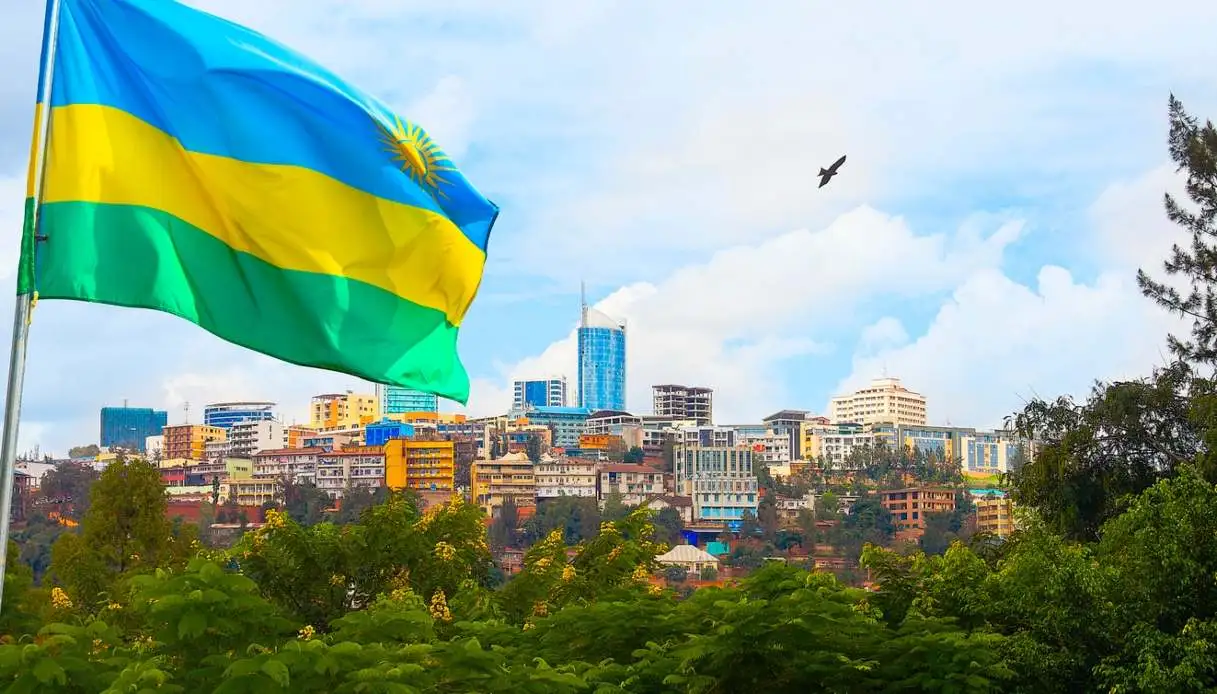
The Formula 1 is preparing to return to Africa after more than three decades of absence, and the country chosen for this new venture is the Rwanda. The project envisages the construction of a state-of-the-art circuit in Bugesera, about 40 kilometers from the capital Kigali, where, in the early 1930s, the Africa Grand Prix was due to take place.
Among lush landscapes, national parks, mountain gorillas and transforming cities, Rwanda is indeed a surprising destination for those dreaming of a journey to discover Africa’s most authentic side.
The Africa Grand Prix in Rwanda
The agreement signed between Rwanda and Formula 1 marks a historic step for the motorsport championship, which thus aims to return to Africa for the first time since 1993. The last race had been held in South Africa, at the Kyalami circuit, while the first Africa Grand Prix eligible for the World Championship took place in Morocco in 1958.
The future track will rise in Bugesera, south of Kigali and near the new international airport. It will be designed by former driver Alex Wurz and will capitalize on the terrain’s undulations to create a fast, smooth circuit that is integrated into the natural landscape.
According to the promoters, the event could boost tourism, employment and new economic opportunities, attracting visitors from around the world. However, there are also controversies: some human rights organizations will likely challenge the Rwandan government over using sport to improve its international image, a practice described as sportswashing.
From gorilla trekking to lakes: what to see in Rwanda
Rwanda is a destination worth discovering for the extraordinary variety of its landscapes. Nicknamed the Land of a Thousand Hills, it is characterized by mountains, valleys, rainforests, such as Nyungwe which hosts a small population of chimpanzees and the Hoest’s monkeys, and bodies of water that offer scenery very different from what is commonly associated with a trip to Africa.
One of the most exhilarating experiences is the trekking in the Volcanoes National Park, in the northwest of the country, where the mountain gorillas live. Guided by licensed guides, visitors can reach the primate groups in their natural habitat, taking part in a regulated experience that also contributes to the conservation of the species. This very trek earned Rwanda the top spot in 2026 in the Wildlife Experience Index ranking.
For a safari, however, the Akagera National Park, in the eastern part, offers savannas, lakes and the chance to spot the Big Five: lion, leopard, elephant, rhinoceros and buffalo. Fans of lake landscapes can instead reach Lake Kivu, the largest in Rwanda, where towns such as Rubavu and Karongi invite you to slow down among beaches, picturesque bays and islands.
To learn about the country’s recent history, Kigali is an important destination, a lively and orderly capital, with markets, cafes, cultural spaces such as the Inema Arts Centre and the Kigali Genocide Memorial, a memorial site dedicated to the victims of the 1994 genocide.
Rwanda is also investing in its international image through infrastructure, tourism initiatives and projects related to environmental sustainability.
The combination of nature, culture and new perspectives makes the country a destination to keep an eye on for those who want to explore an African destination that is still less frequented than other more well-known destinations.