
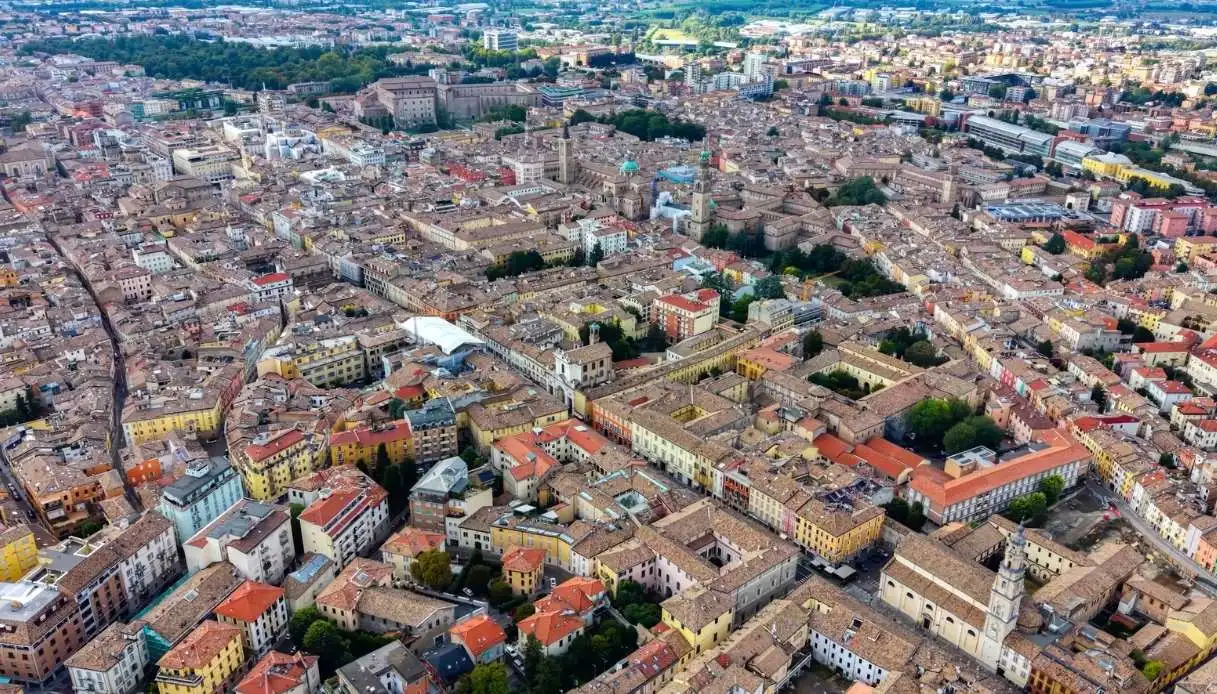
Parma has earned a notable accolade and is celebrated as one of Italy’s most intriguing gastronomic destinations; the praise comes from Forbes, which in an editorial exploring the new frontiers of active tourism highlights those moments spent at the table.
Parma, the capital of taste according to Forbes
Forbes places Parma alongside destinations such as Egypt, Romania, Cyprus, and the Faroe Islands. The Emilia-Romagna city stands out as one of the country’s gastronomic treasures and deserves to be discovered by many more international travelers. The comparison is drawn with Lyon and San Sebastián. Two cities that, though not as large as the major metropolises, have carved out a leading position on the international culinary stage. According to Forbes, Parma has all the cards to compete in the same league.
What to do in Parma, a gastronomic itinerary
In Parma, culture is inseparable from the table. The Cathedral, the Baptistery and the lanes of the historic center remain essential stops, but to truly know the city you must step into the food shops, peek at the market stalls, and treat yourself to a meal in a trattoria. After all, here food is a serious business. And often it tells the story of the territory better than many monuments. From that point, wander through the center streets and you will stumble upon shops that display wheels of Parmigiano Reggiano, cured meats, and other traditional products. The Ghiaia district also deserves a detour, historically tied to markets and the trade of food.
For lunch, there’s no need to hurry. In the Parmense trattorias, anolini in broth remains one of the most representative dishes. Then come the tortelli d’erbetta, filled with ricotta, greens and Parmigiano Reggiano, perhaps accompanied by a glass of Lambrusco dei Colli di Parma or Malvasia. Dishes that look simple but conceal recipes and practices passed down through generations.
Yet the gastronomic journey does not stop in the city. In fact, a large portion of the specialties that have made Parma famous around the world originate in the surrounding countryside. In the dairies you can witness up close the production of Parmigiano Reggiano, from the milking and processing of milk to the aging rooms. It’s worth organizing a morning visit, when the cheesemakers are at work and you can observe the most important stages of production. A little further south lies Langhirano, the town of Prosciutto di Parma. Here the prosciuttifici tell another part of the local gastronomic story, made up of precise processing, aging and timings that cannot be hurried.
Those who have a few more days can venture into the Bassa Parmense, in the lands of Culatello di Zibello. A different landscape, near the Po, where climate and ancient processing techniques contribute to giving the cured ham its distinctive characteristics. And there are the hills, the vineyards, the small villages. Another Parma to discover, even on foot or by bicycle, stopping at farms and in cellars along the route.
It is no surprise, then, that Forbes has turned its attention to the city’s tourism potential. The allure of Parma’s cuisine reaches far beyond its most famous products and aligns with a travel style increasingly linked to experiences, to producers, and to local traditions.
