
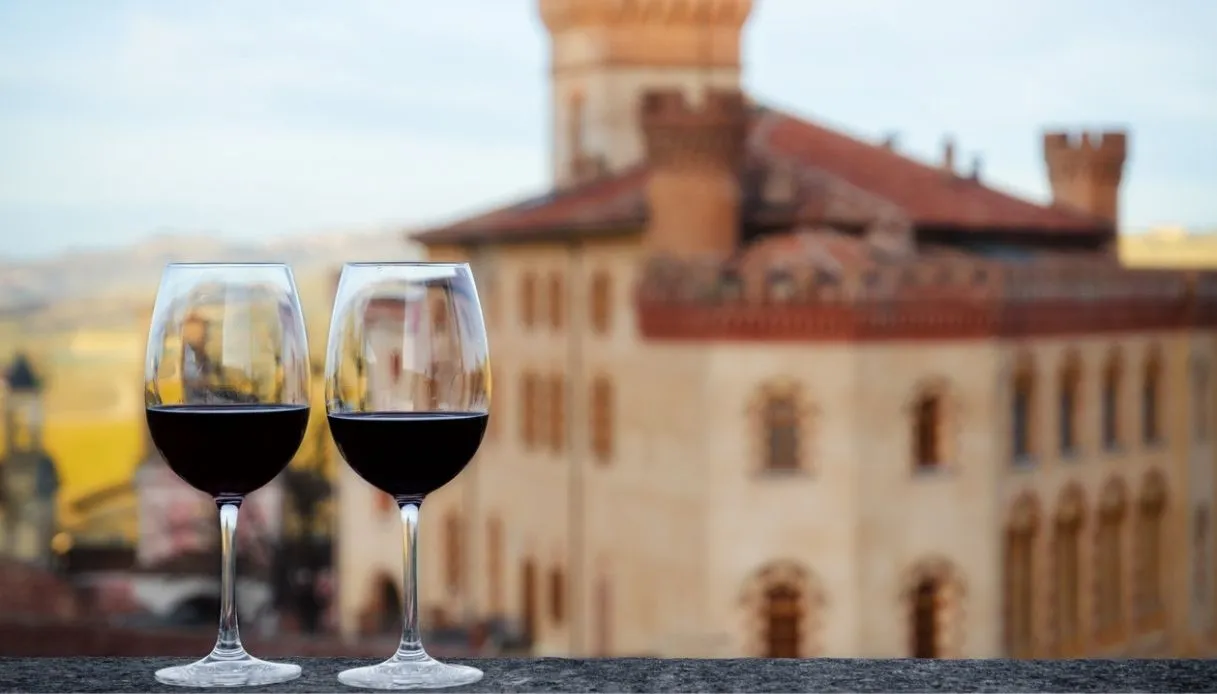
Many organize a gastronomic tour of the Langhe during the Alba truffle fair, but the region has something magical beyond autumn. With villages, a splendid wine-and-food tradition, castles, and a circuit of giant benches, it is a part of Piedmont waiting to be explored, perfect also for couples seeking a romantic weekend. If you dream of a three-day weekend in the Langhe, take a look at this on-the-road itinerary we’ve tested ourselves; a perfect, stress-free way to see a lot in one of the wine landscapes recognized as UNESCO World Heritage.
Recommended 3-day itinerary in the Langhe
Here’s how to organize a three-day enogastronomic itinerary in the Langhe:
- Day 1. Start in Alba, the capital of the Langhe, strolling through the historic center among medieval towers, gourmet shops and pastry shops. Continue toward Grinzane Cavour to visit its UNESCO castle, then reach La Morra and its spectacular viewpoint. If possible, take a detour to the colorful Cappella del Barolo. End in Barolo, between WiMu, a stroll through the village and a tasting in a winery. The perfect finale? A dinner with tajarin and a glass of Nebbiolo;
- Day 2. Dedicate the day to the Barolo Langhe. First stop Castiglione Falletto, with its castle and views over the vineyards. Continue to Serralunga d’Alba to explore its imposing medieval fortress, then reach Monforte d’Alba. Here lose yourself in the alleys of Saracca, discover the Horszowski Auditorium and stop at an osteria to taste agnolotti del plin;
- Day 3. Set off to discover the Barbaresco hills and climb the famous Barbaresco Tower for a spectacular panoramic view. Continue to Neive, one of the most charming villages in the area, with historic palazzi and enoteche. If you have more time, push as far as Santo Stefano Belbo, tracing the footsteps of writer Cesare Pavese, perhaps with a Moscato d’Asti tasting to close on a sweet note.
The Langhe villages to visit
If you drive through the Langhe on a 3-day itinerary, everything centers on the villages… which ones to see? The region holds many, but in a weekend you shouldn’t overdo it. Here are our favorites.
If you love wine, Barolo is a must-stop. Surrounded by Nebbiolo vineyards, it gives its name to one of Italy’s most prestigious reds, the Barolo DOCG, which requires at least 38 months of aging. Visit Castello Falletti, home to WiMu, the Wine Museum, an immersive journey that tells the world of winemaking. Also curious and unique is the Museum of Corkscrews. Then leave room for the real memorable experience: a tasting in a historic cellar.
In La Morra you’ll find one of the Langhe’s most spectacular viewpoints. Reach Piazza Castello and prepare for a sight that embraces hills, vineyards, and villages. Stroll among the shops, discover the Church of San Martino and stop at the Cantina Comunale to learn about local labels. Just outside the center you’ll also find the Cappella del Barolo, a true explosion of color.
Alba is the vibrant heart of the Langhe and a must for food lovers. Stroll along Via Vittorio Emanuele, browse the shops, and reach Piazza Risorgimento, where some of the famous medieval towers loom. The most famous? Torre Sineo and Torre Bonino… and if you’re lucky you might even participate in Alba Sotterranea tours that are active in certain periods of the year.
In Barbaresco the vineyards dominate the landscape and the scent of wine seems to accompany you through the alleys. The village’s symbol is the Barbaresco Tower, about 36 meters high: climb to the panoramic terrace, when accessible, to admire the territory from above.
In Castiglione Falletto you’ll find a medieval castle, the Church of San Lorenzo, and incredible views over the Barolo Langhe. Serralunga d’Alba is instantly recognizable thanks to its 14th-century castle that dominates the village. Wander among its stone houses and enjoy the view of the vine rows. In Monforte d’Alba head toward la Saracca, the evocative old quarter, up to the Horszowski Auditorium, an outdoor concert space surrounded by historic buildings. Don’t miss the civic tower and the church of Madonna della Neve.
Included among Italy’s most beautiful villages, Neive looks like it stepped out of a medieval film. Discover Piazza Italia, the elegant noble palazzi, and the Clock Tower. Among the local gems is the municipal wine shop where you can sample a glass and, above all, purchase excellent bottles at attractive prices.
The most beautiful castles of the Langhe
Vineyards and castles? A pairing that works wonderfully in the Langhe! Between medieval fortresses and noble residences, here are the ones to include in your itinerary. Grinzane Cavour Castle is one of the region’s icons, recognized by UNESCO. Inside you can discover the Langhe Museum, historic rooms and the Enoteca Regionale Piemontese Cavour.
The Falletti Castle of Barolo tells the story of the village and the winemaking culture through WiMu, while the Serralunga d’Alba Castle will surprise you with its slender architecture, inspired by French donjons, and its spectacular views. If you love offbeat places, venture into Alta Langa to the Prunetto Castle, a medieval fortress overlooking a landscape that, on clear days, reaches the mountains.
If time allows, also stop at the Castle of Magliano di Alfieri, which houses the museum of plaster ceilings and the landscape theatre, or at the Royal Castle of Govone, today a UNESCO World Heritage site. The Savoy residence is surrounded by gardens and during Christmas hosts a must-see themed event.
The Langhe wine road
Officially established in 2006, with more than 20 years of history, the Barolo and the Great Wines of Langhe Road is a scenic route of about 100 kilometers that weaves together villages, castles, cellars and viewpoints. It passes through the towns of Alba, La Morra, Barolo, Grinzane Cavour, Castiglione Falletto, Serralunga d’Alba and Monforte d’Alba, and it is splendid to travel by e-bike, especially in autumn and spring.
What to eat and drink in the Langhe
In the Langhe the risk of falling in love with the local cuisine is extremely high! What to eat? Undoubtedly the first courses such as tajarin with truffle and butter or with Piedmont ragù deserve attention, as do agnolotti del plin. Some go crazy for antipasti: a platter with local cured meats and cheeses such as robiola di Roccaverano or truffle- and Barolo-flavored salami, some prefer the classic vitello tonnato and insalata russa, and some can’t resist a slice of hazelnut cake or zabaglione. And in the glass? Barolo is ideal for those who love structured reds, while Barbaresco wins with elegance and complexity. Also try Barbera d’Alba, Nebbiolo and Dolcetto. And for white wine lovers? Certainly Arneis is a treat not to miss.
Unmissable gems in the Langhe
Do you think the Langhe are only about wine and towns? You’re mistaken. Le Big Bench are gigantic colorful benches placed at viewpoints. Seeking them among the hills is a fun way to explore the area, especially with an e-bike tour.
Also unmissable is the Cappella del Barolo, in the Brunate vineyard near La Morra. Artistically realized in 1999 by Sol LeWitt and David Tremlett, it’s a small contemporary art masterpiece. Before you go, check access conditions on the Ceretto site, because the chapel has undergone restoration works.
Also signed by the Ceretto universe is l’Acino, a panoramic, transparent, and futuristic structure at the Monsordo Bernardina estate in Alba: a surprising meeting between contemporary design and the wine landscape, to be explored by checking the estate’s visiting arrangements.
In Grinzane Cavour look for The Giant Hazelnut, a sculpture dedicated to one of the region’s symbolic products. And if you want to add a truly special detour, head to Vicoforte, outside the heart of the Langhe, where you can admire the enormous elliptical dome of the sanctuary and, with the Magnificat experience when available, discover it from an unusual perspective.