
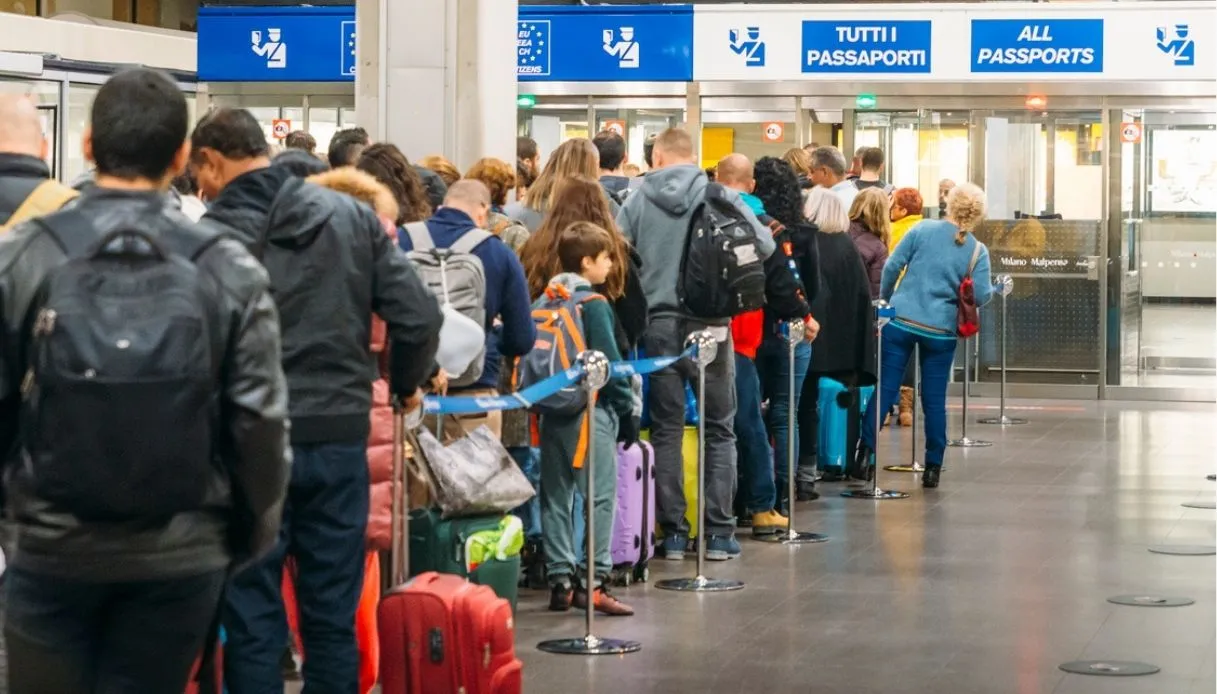
Security check codes, documents to pull out at the right moment, the gate that seems farther away than it should be: starting a trip is exciting, until all the rules and updates cause stress for passengers. The company AirHelp, which handles air passenger rights, carried out a study comparing wait times at security checks across major European airports and the differences from one hub to another.
The new European rules are making things difficult for passengers
As of April 10, 2026 the Entry/Exit System (EES) is fully operational and passport stamps at the Schengen external borders are a thing of the past: entries and exits are recorded digitally. Third-country nationals subject to the EES arriving for a short stay must provide the details of their travel document, fingerprints, and a facial image.
This registration occurs at the first entry. Then the information stays in the system and subsequent checks, as a rule, run faster. The underlying idea is to have borders safer and up to date. Note that the new procedures do not automatically apply to everyone taking a flight outside the EU. If you are Italian citizens or citizens of another EU member state, you are not subject to EES registration. There are also specific exemptions, including for several holders of residence permits and long‑term visas.
The introduction of the system is nonetheless creating operational difficulties at some airports. In Brussels, for example, the airport has reported a significant increase in the time needed for border controls, announcing new investments to better manage passenger flow. However, the situation is not the same everywhere, and waiting times can vary, especially at certain hubs and on certain days of the week or times of the year.
Where delays are most likely and how to avoid the surprises
From AirHelp’s study, it emerges that, in peak periods, Istanbul records average waits of just 5 minutes at security checks, while at Barcelona El-Prat you reach an hour and 47 minutes. At Milan Malpensa, during rush hours, waits average 48 minutes. At Rome Fiumicino they are 36. Choosing the right day can also make a difference. Monday is generally the most congested, followed by Thursday and Friday. If you have the option to organize your departures with greater flexibility, Tuesday and Sunday could offer more favorable conditions.
How can you prevent these difficulties from compromising your trip? The most prudent solution is to check the guidance of the airline and the airport, verify the required documents in advance, and allow for an adequate time margin, especially if you must cross an external border of the Schengen area.
You can also consider using the Fast Track service, when available, to reduce waiting at security checkpoints. Remember, however, that this priority lane does not eliminate passport checks and biometric procedures. In AirHelp’s study, attorney Mariana Giuliano, a specialist in passenger rights, stressed that the responsibility for accurately calculating the time needed to reach the gate, avoiding surprises and delays, remains with the passenger.
