
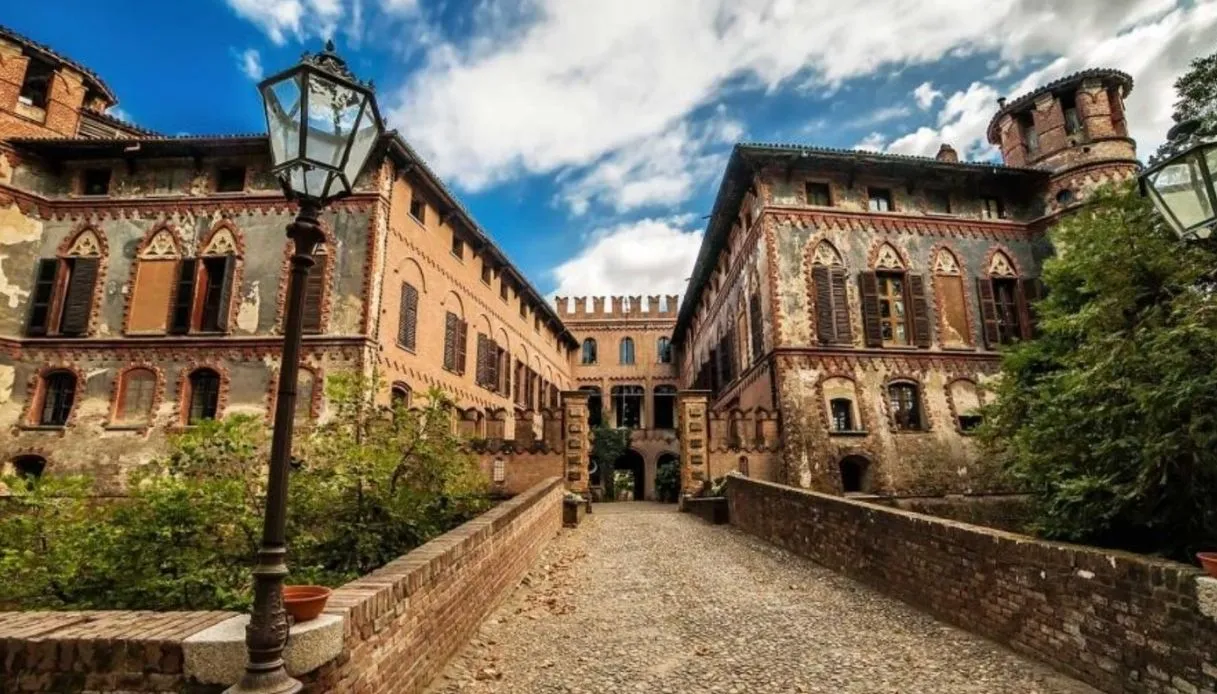
Italy’s precious heritage cannot be ignored; indeed it must be valued, and among the initiatives returning to this aim is Cultivating Culture which on Sunday, November 8, 2026 makes it possible to visit many wonderful historic Italian residences that open for a day in a wholly casual manner. Not only frescoed salons and dreamlike architectures. The overarching thread is the often invisible relationship between the historic residences and everything that surrounds them: agricultural landscapes, traditions, local productions and communities that continue to give life to these places.
Cultivating Culture 2026, the program
The historic homes are once again opening to the territory, making room for new opportunities to bring culture and agriculture closer together; the eagerly awaited gathering for Sunday, November 8 and the 2026 edition of Cultivating Culture arise from the collaboration between the Ministry, the Associazione Dimore Storiche Italiane, and Confagricoltura. The aim is to return these places to a role closer to local life, fostering dialogue between their history, tourism, biodiversity and agricultural activities. A different way of experiencing a heritage that still has much to tell, even beyond the halls of a museum.
Also illustrating this relationship are the data from the VII Report of the Observatory on Private Cultural Heritage: 66% of the agro-food facilities considered offer agritourism or rural hospitality, while 56% propose experiences related to enogastronomy, from tastings to events and guided tours. Numbers that tell of a culture capable of generating activity, as well as beauty.
Spotlights turn to the future by involving various Italian regions that organize events in numerous historic residences opened free of charge for a single day; what makes the occasion unmissable is the participation of the Automotoclub Storico Italiano which stages tractors and vintage agricultural machines to make the experience even more unique.
Which historic estates to visit free on November 8
On November 8, Apulia opens the doors to some of its historic residences, with six sites open to the public free of charge. In the province of Bari, among the wonders to discover is Masseria Spina in Monopoli, while in Salento Castel di Salve opens its doors; the list also includes Masseria Tagliente in Martina Franca.
It is, however, Calabria that stands out for the number of openings: twelve in total, spread across several provinces. In the Catanzaro area, Villa Cefaly Pandolphi in Acconia di Curinga participates. Further north, in the Cosentino, appear Castello del Principe in Sangineto Lido, Palazzo Amarelli and Tenuta Ciminata Greco in Corigliano-Rossano, as well as Palazzo Cybo Malaspina in Aiello Calabro.
There is also Masseria Zurlo, in Scandale, in the province of Crotone. In Reggio Calabria, visits will include Palazzo Grillo in Polistena, Tenuta Acton in Cannavà di Rizziconi and Tenuta Candida in Locri. In Gerace, Casa Spanò and Palazzo Candida will open, while in Bova Marina the turn is for Palazzo Malgeri.
Among the must-sees in Emilia-Romagna there will be Palazzo Minelli in the province of Bologna and the Rocca Valle di Castrignano in the province of Parma; Friuli-Venezia Giulia impresses with 8 appointments, but among the most beautiful we recommend Villa del Torre in Romans d’Isonzo, in the province of Gorizia, Villa Maseri in Pavia di Udine and Villa Ritter de Zàhony in Aquileia.
There are three openings planned in Piemonte, ranging from Castello di Piovera, in the province of Alessandria, to Tenuta La Marchesa in Novi Ligure, up to Palazzo Terzano in Valenza. In Basilicata the event focuses on the province of Matera. Visitors will be able to enter Palazzo Arcieri Bitonti in San Mauro Forte, and Palazzo Viceconte in the heart of the Sassi city. Joining these is the Castello di Valsinni.
In Lazio the agenda includes Villa Cavalletti in Grottaferrata, just outside Rome, while in Lombardy you can visit the courtyards of Galdana in Campoferro in the province of Pavia, Palazzo Fregoso in Colturano in the province of Milan and Palazzo Guicciardi in Ponte in Valtellina, in the Sondrio area.