
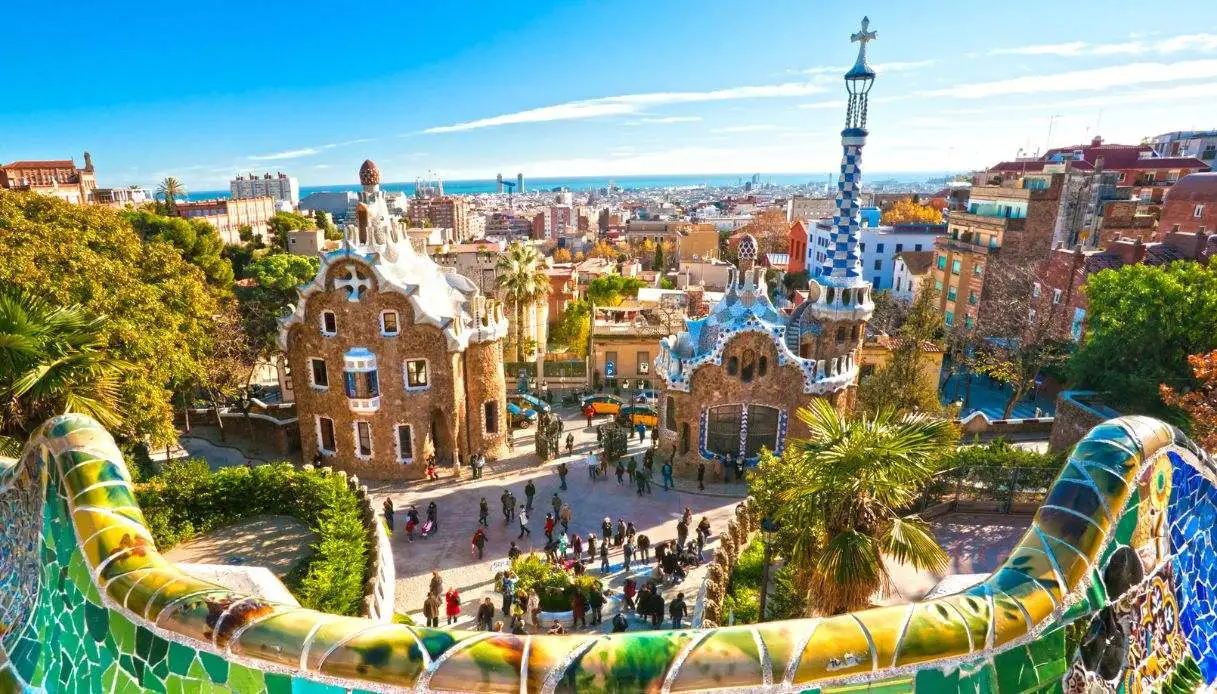
For years the symbol of discontent has been water pistols aimed at visitors in the most crowded areas. Now Barcelona changes its weapon and tries to fight overtourism with an algorithm, the same kind of tool that, according to the city’s tourism authority, helped push thousands of people toward the same places seen on social media.
How? By launching a Netflix-inspired recommendations platform. The system suggests to each visitor what to do, when and where, steering them away from the most crowded spots. The challenge is enormous for a city of about 1.6 million residents that welcomes around 16 million visitors each year, ten times as many.
So far Barcelona has focused mainly on bans and taxes: no new hotels in the center since 2015, 10,000 short-term rental licenses to be eliminated by 2028, cruise terminals reduced from seven to five by 2029. Added to this is a tourist tax that can reach up to €12 per night and is expected to rise to €15.
How the algorithm against overtourism works in Barcelona
The first change planned concerns the name. Barcelona Tourism has dropped the word “visit” and renamed its portal “This is Barcelona”: no longer an invitation to visit, but a narrative of what the city truly is.
Behind the new showcase runs a system that, like the streaming platform, learns from user behavior. On this basis it decides which content to show and in what order, thereby composing personalized itineraries for tourists and residents. In addition to preferences, the algorithm also takes into account the timings and capacity of the individual zones, so as to distribute footfall and avoid crowds.
The result is already visible when you open the site. Instead of photos of the most famous attractions, you’re greeted by a video featuring artisans, natural spaces, gastronomy and events. On the portal, alongside searching to tailor an itinerary to your interests, you can directly purchase tickets for shows and attractions, a feature that will soon also be available on the MyBarcelona app.
There are also insights on local history and traditions and information on transport and accessibility. There are no shortage of small reminders of courtesy, such as the invitation to keep quiet while the castellers raise their human towers.
The ‘Selected’ Tourist: Culture, Quality and Respect
Another aspect of the project concerns the declared aim to “select” travelers. Barcelona’s idea is to attract those who identify with the model of a city it wants to present to the world, founded on culture, quality, respect and authenticity. The authority notes that the platform is not intended for those seeking only low-quality tourism and that the recommendations are calibrated for people who love cultural visits and museums, spend in restaurants and unique venues, or attend events such as classical music concerts.
Explaining the philosophy of the rebranding is Mateu Hernández, CEO of Barcelona Tourism, interviewed by The Independent. In the last fifteen to twenty years, he notes, the discourse has been solely on the negative effects of tourism and overtourism. They are real, but he believes they should also be balanced by the positive aspects, not taken for granted. For Hernández the real enemy is massification and touristification as a consequence of social-media promotion that has ended up erasing the city’s identity.
From there the invitation to come to Barcelona also for a concert, an exhibition or an interesting restaurant, for something you only experience once in a lifetime.
