Not the Bologna of Postcards: Bolognina Conquers The Guardian
September 23, 2026
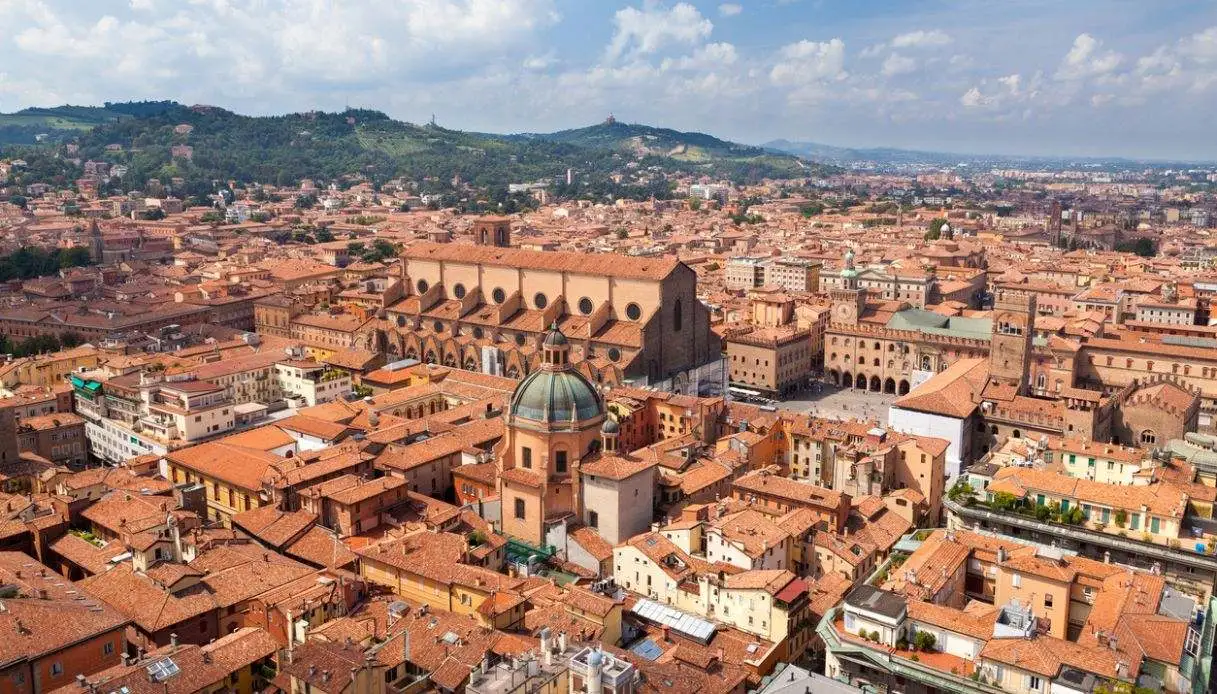
Anyone who has spent more than a weekend in Bologna, or especially someone who lived it, perhaps as a university student, knows that the city “is split in two.” There is the tourist Bologna, the historic center crowded with visitors in search of the best trattorias, and the Bologna that fights to endure. Just cross Ponte Matteotti, crossing over the railway tracks, to enter the second, the Bolognina, precisely the area that won over the Guardian.
Here the cobblestone alleys, the towers and the medieval palaces once besieged disappear, and you enter a different everyday life, made of markets, small bars and halal butcher shops. Born at the beginning of the twentieth century to house the families of railway workers, and later the factory workers of the area, Bolognina today is a multicultural neighborhood. It has a strong left-wing political identity and a community determined not to let itself be stripped of its character by gentrification.
People arriving from outside are welcomed, but here you are not facing a storefront: you enter the real life of a neighborhood that, unfortunately, still risks losing its identity.
Want to continue reading?
Subscribe and you’ll have full access to all our content.
Already have a profile on SiViaggia?
From the trattorie of a bygone era to the flavors of the world
The first thing that struck the British daily is the table. In Bolognina, the trattorie of yesteryear endure, where you can order tagliatelle al ragù, lasagne, or a bowl of tortellini in capon broth. Right beside these, you’ll find offerings that are hard to come by in the center: Georgian cuisine, Ethiopian and Eritrean dishes to share, fiery Sichuan recipes, and even handmade tortellini with halal meat.
Vegetarians will also find places that bring to the city the organic products of farms on the Bologna hills, transformed into eggplant parmigianas, vegan lasagnas, and vegetable croquettes.
The gastronomic heart of the neighborhood is Via Luigi Serra, where rustic trattorie are always packed, delis with boards of cured meats and cheeses, cocktail bars and wine shops line up just a few steps apart from each other.
And then there’s Albani Market, active since 1934 and the true beating heart of Bolognina. It winds along a shaded avenue: in the morning it is the neighborhood market, with stalls of mortadella, prosciutto, fish, cheeses and organic vegetables. From around 5 p.m. until about midnight it completely changes its personality. Some stalls transform into cocktail bars, craft breweries, natural-wine shops and informal venues for pizza, pasta, vegan cooking and Greek food. Those who work there emphasize that by day the market should remain the usual market, without becoming the latest tourist food court, as can be found in central Bologna, and by night it also hosts concerts, exhibitions and events for the community.
The cultural places of Bolognina
Bolognina is not only about food. Just beyond the Matteotti bridge you encounter the Shoah Memorial, an essential and austere work: two 10-meter-high steel walls, separated by a very narrow passage. Opposite rises the Church of the Sacred Heart, built in 1912 as the neighborhood was taking shape, which is worth a visit even just for its dome, towering 60 meters.
Hidden among the interior streets, in a former tram depot, lies the Museum for the Memory of Ustica. It preserves the wreckage of the DC-9 that crashed in 1980 during the Bologna–Palermo flight, reconstructed by the French artist Christian Boltanski together with the personal belongings of the victims.
The neighborhood’s alternative spirit lives on in a cooperative of artists and craftspeople housed in a former lingerie warehouse, with studios for ceramics, printing, photography and music. The DLF Park, the Dopo Lavoro Ferroviario born in the twenties for railway workers’ leisure, has been saved from abandonment and now hosts bars, a gardened brewery, a pizzeria, a concert arena and a live indie music club.
Maya Bennett
I’m a travel writer passionate about responsible tourism, overlooked destinations and the people who give each place its identity. Through my articles, I explore practical ways to travel more thoughtfully while supporting local communities and protecting the natural world.