By now Italians do nothing but complain about the cost of living from north to south, but how much it really costs to live in an Italian city? The answer varies significantly depending on the destination. Among groceries, restaurants, services, daily activities, and expenses for personal care, the gap between the North and the South remains evident.
To document the differences, Codacons presents a new survey based on data from the MiMIT Price Observatory updated in June 2026. The basket analyzed comprises 33 items, including 20 food products and 13 services, such as hairdressers, pizzerias, dentists, veterinarians, cinemas, and bars.
The most expensive cities in Italy
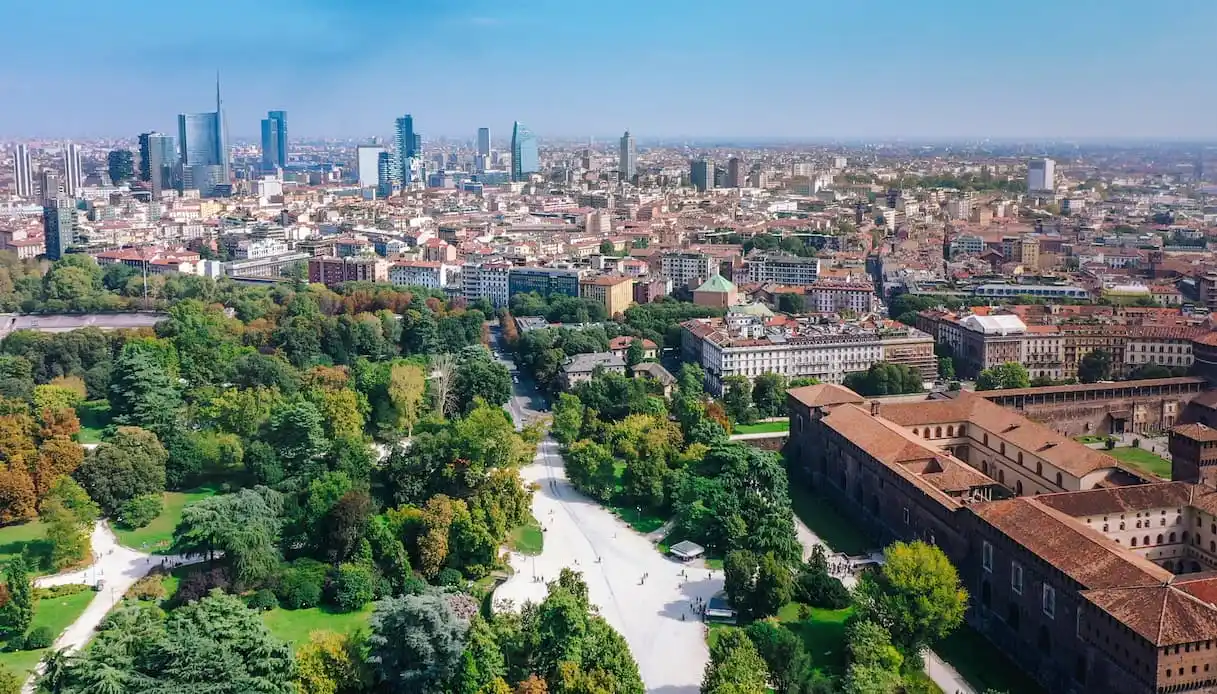
Topping the list of Italy’s most expensive cities once again is Milan, which in 2026 confirms its first-place status. To purchase the goods and use the services included in Codacons’ basket, the average cost is nearly 693 euros. In second place is Bolzano, with expenses of about 652 euros, while Aosta and Bologna follow with just over 640 euros. The Lombardy capital shows a particularly marked difference compared with the cheaper cities in the ranking: the expenditure considered by the survey is, in fact, about 42% higher than Naples.
Even looking at the individual categories there are substantial differences. For the sole food expenditure, Milan, Bolzano, Trieste, Bologna, Genoa and Florence exceed 200 euros on average for the analyzed basket of products. On the services side, Milan reaches roughly 491 euros, compared with 452 euros for both Aosta and Bolzano. Not all records belong to the most expensive cities overall. For instance, fresh bread reaches the highest average price in Bolzano, while prosciutto crudo costs more in Florence. In Trieste, instead, the highest price is recorded for zucchini and for a woman’s haircut among the monitored cities.
Below is the ranking of the most expensive cities:
- Milan with a total of 693 euros;
- Bolzano with a total of 652 euros;
- Aosta and Bologna with just over 640 euros.
The cheapest cities in Italy
On the opposite end of the ranking sits Naples, which in 2026 proves to be the cheapest city among those analyzed by Codacons. For the same basket of goods and services, the average expenditure stops at about 402 euros. Followed by Palermo, with around 464 euros, and Catanzaro, with 474 euros. The gap with Milan is particularly evident even when looking at individual services: in Naples the average expenditure considered for this category is around 262 euros, while in Milan it reaches 491 euros.
Among other cities where some items turn out particularly affordable are Bari and Palermo, where spending for the analyzed food products hovers around 170 euros, while in Pescara it falls to about 154 euros and in Catanzaro to 149 euros. The affordability of Southern cities also emerges in some everyday experiences: a pizza costs on average €10.35 in Catanzaro, while a cinema ticket in Bari is around €7.30.
However, it should be noted that the Codacons basket does not include rents and real estate prices, two items that can significantly affect the overall cost of living. Considering this aspect, the gap between the major Italian cities can become even more pronounced. In Milan, for example, the average rent requested in August 2026 was €22.3 per square meter, compared with €14.7 in Naples.
Below are the cheapest cities in the ranking:
- Catanzaro with a total of 474 euros;
- Palermo with a total of 464 euros;
- Naples with a total of 402 euros.