
Suitcases are still not ready to be put away; while the exodus congests the highways and offices reopen their doors, ten million Italians are already thinking about the next departure: the September trip with an estimated average spend around €760 per person. This is reported by the Confturismo-Confcommercio Observatory, conducted together with Swg, which paints a picture of a summer already long, frayed, that no longer ends on August 31. What is striking is not the data itself but the scale of the phenomenon: we are not talking about a niche of retirees or childless couples, but about a broad swath of the population that has shifted the center of gravity of their holidays forward by a few weeks.
How September holidays will look
There isn’t a single September vacation pattern, and perhaps that is the most interesting point. 2.8 million people have in mind something quick, one or two overnight stays and then back home. Another 3 million extend it a little: three, four, five nights.
All the others opt for the full week, seven nights or more, the old-fashioned vacation, the one that until a few years ago was strictly concentrated in August. An elastic month, in short. It bends to the remaining days of leave, to return flights at reasonable prices, to school calendars that reopen with dates that differ from one region to another. Those who can, fit it in. Those who cannot, settle for the long weekend and that’s it.
The destinations favored for September vacations
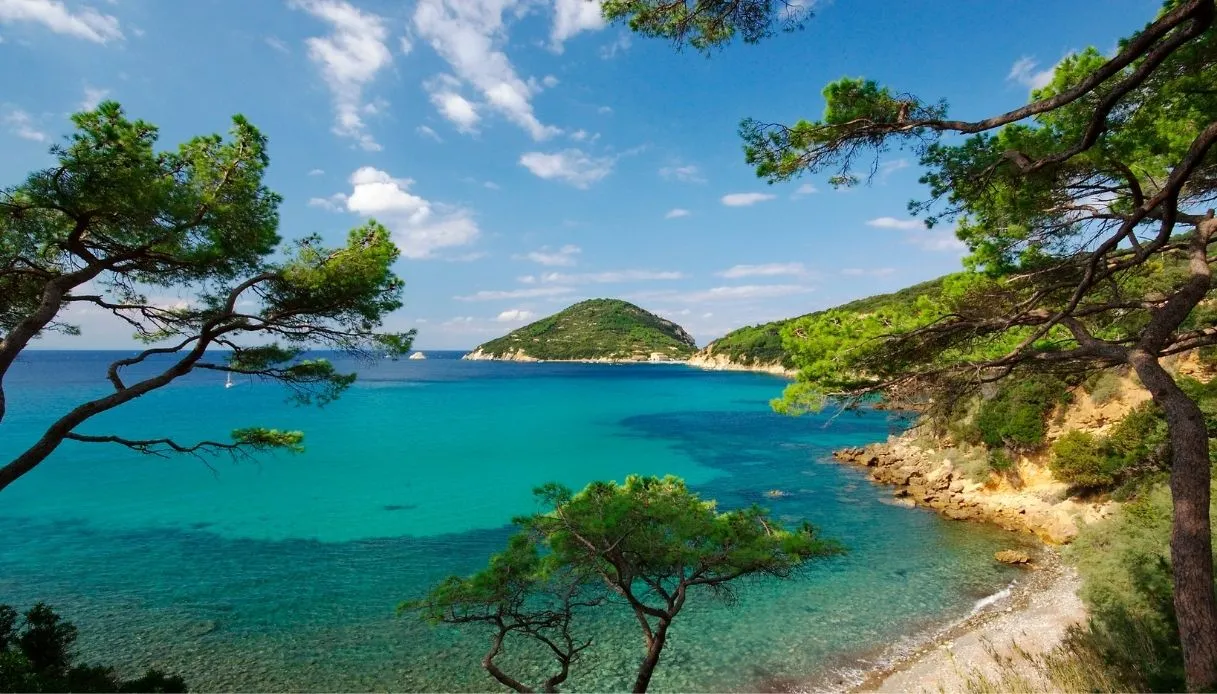
At the top of preferences, the sea remains firmly in first place, chosen by 41% of travelers. Behind, at a distance, are the great art cities with 26% and the mountains at 18%. September, after all, is the month when beaches become emptier and historic centers become finally strollable without elbowing your way.
The bulk of travel remains domestic: 71% choose an Italian destination, 23% move to another European country, just 6% look beyond the continent. Among the regions, Tuscany leads, followed by Campania and Emilia-Romagna. Outside Italy, the ranking favors Spain, then France and Greece.
In terms of accommodations, hotels remain the most common choice with 30%, but the figure that deserves attention is 25% for second homes: a quarter of travelers, in effect, return to a place they already know. B&Bs stand at 17%, rental homes at 11%, while agritourismos (6%) and holiday villages or resorts (5%) divide the rest.
Who leaves in September
The profile of September travelers is fairly clear. Those over 55 account for 42% of departures, followed by the young at 35% and the middle band 35-54 years old. Geographically, the urge to move is strongest in the Northwest (41%) and the Center (40%), while it dips slightly in the Northeast (36%) and in the South with the Islands (35%). Small differences, but steady enough not to seem accidental.
Behind this shift in the calendar there is not only money. The climate directly influences the vacation schedule, as explained by Manfred Pinzger, president of Confturismo Confcommercio: September, with its mild temperatures, being less crowded and offering more competitive prices, is turning into a vacation month by lengthening the season.
That means the central weeks of summer are becoming too hot and too crowded for a growing portion of travelers, who simply move them forward a few weeks. For operators it is good news, because it lengthens the season and eases the pressure on July and August. For those traveling, the calculation is even simpler: same beaches, fewer people, friendlier prices. Hard to find a reason to go back.