
A pleasant seaside holiday can turn into a major legal issue when fundamental rules protecting the environment are ignored. This is what happened in Calasetta, in Sardinia, where a tourist was reported after having taken and hidden a noble pen shell, a protected marine species gravely threatened with extinction. It was a number of beachgoers’ reports that prompted the authorities to act.
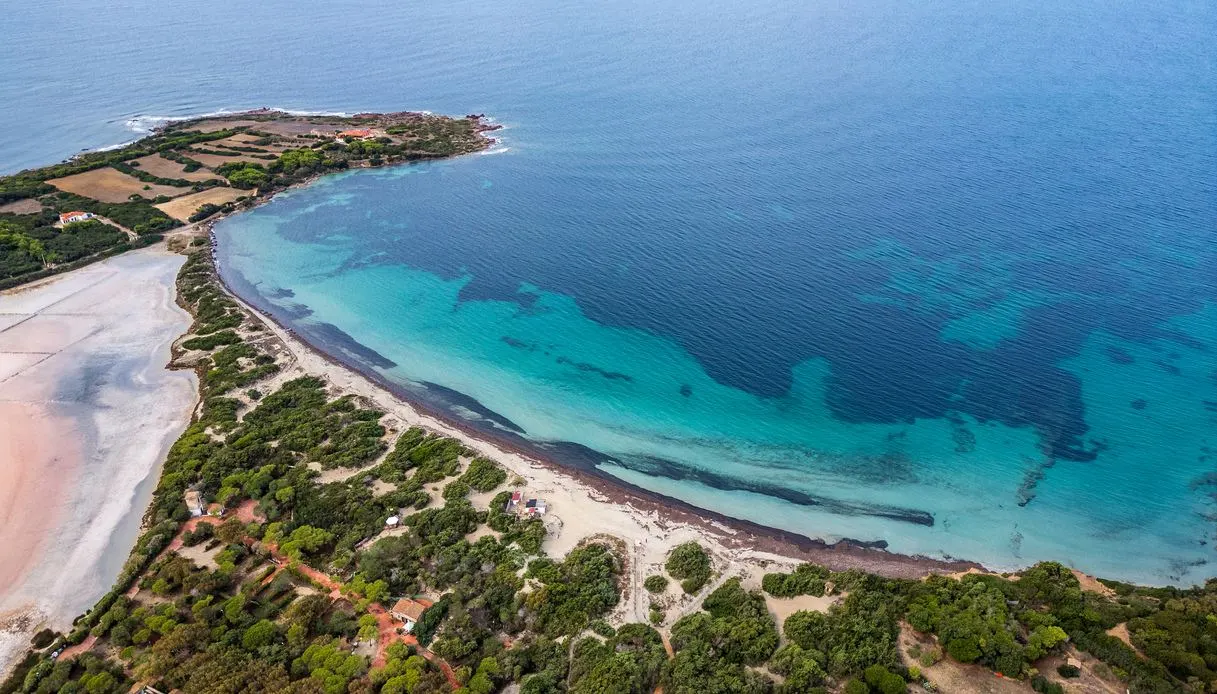
The episode occurred on Spiaggia Grande, one of the best-known shores in the Calasetta area. The officers from the Sant’Antioco Forest Station promptly intervened to verify the report and confirmed the illicit removal of a young specimen of Pinna nobilis. The pen shell had been hidden among the rocks, very close to the tourist’s sunshade.
The investigations carried out by the Forestry Corps allowed them to reconstruct the events and identify the specimen that had been removed. The noble pen shell, scientifically known as Pinna nobilis, is the largest bivalve in the Mediterranean Sea and represents a particularly important presence for marine ecosystems.
The specimen found in Calasetta was a young individual illegally taken from its natural habitat and subsequently concealed among the rocks. The forest personnel thus carried out all the necessary checks and prepared the report destined for the Public Prosecutor’s Office, resulting in a formal complaint against the tourist.
The case draws attention to a behavior that may seem harmless to beachgoers, but that can have very serious consequences for biodiversity protection. The Pinna nobilis is in fact a protected species under the European Habitats Directive of 1992, also due to the substantial decline of its population.
Among the main threats are marine pollution, climate change, and illegal harvesting. For this reason, collecting specimens found on the seabed is not allowed.
What happens to those who collect shells and protected species in Sardinia
The Calasetta case is also an important reminder for those spending holidays along Sardinia’s coasts. The ban does not apply only to living animals: the regulations also prohibit removing, possessing, and selling empty shells, including the individual valves of the noble pen shell or parts of them.
Violating the ban related to Pinna nobilis constitutes a crime and can result in arrest from two months to two years or a fine ranging from 2,000 to 12,000 euros.
There is also a regional framework for the protection of Sardinia’s natural heritage. Regional Law No. 16 of 2017 provides fines from 500 to 3,000 euros for the removal of materials from beaches, unless the behavior constitutes a more serious criminal offense.
The Forestry Corps therefore strongly urges citizens and tourists not to collect shells, sand, or pebbles from the beaches. Even a seemingly banal gesture can significantly damage a fragile environment and, where provided by law, may entail financial or even criminal consequences.