
The winners of the Destination of Sustainable Cultural Tourism Awards 2026 have been announced, honors dedicated to destinations and initiatives that enhance cultural heritage through sustainable tourism. These awards are presented by the European Network for Cultural Tourism (ECTN), in collaboration with Europa Nostra, the European Travel Commission, and NECSTouR.
There are six categories celebrated, with recognitions spanning from gastronomy to digital experiences, from cross-border routes to journeys beyond borders. Among the honorees, there is also an Italian project noted.
The Italian recognition and the experience between two Countries
Italy is featured among the highlighted projects thanks to “Vacanze in salute – Healthy holidays in Veneto Region,” which received a special mention in the category dedicated to digitalization.
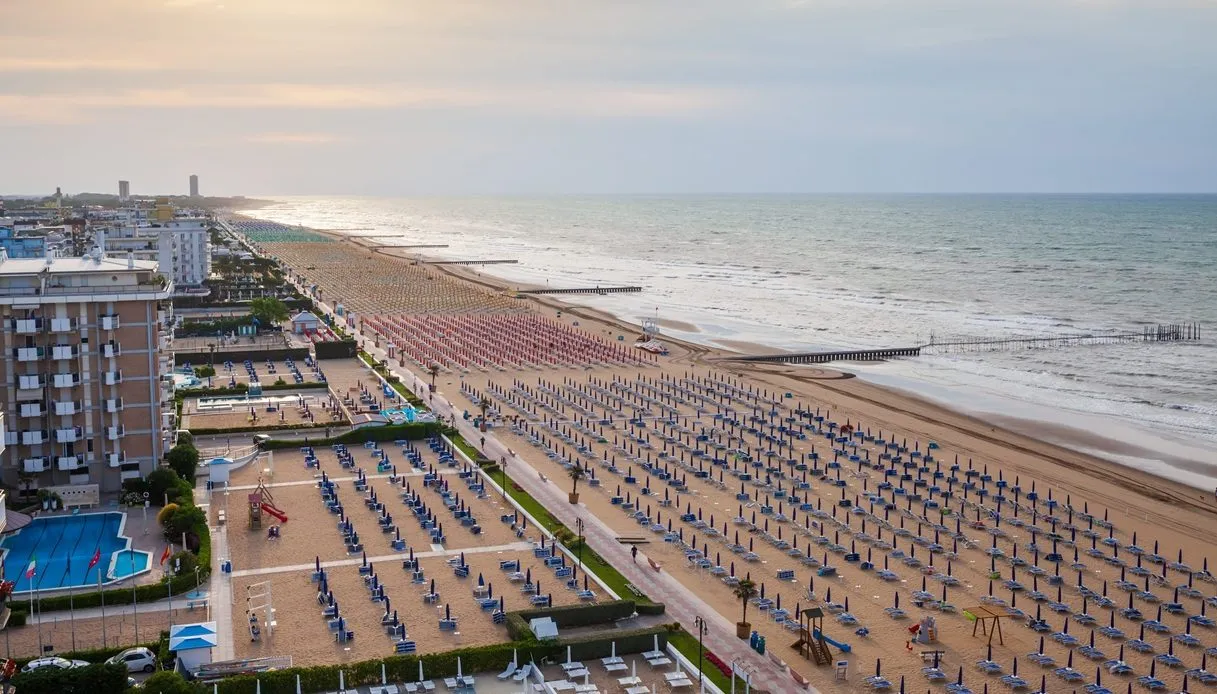
The initiative by ULSS 4 Veneto Orientale was nominated by the Municipality of Jesolo. The program accompanies the tourist season by strengthening healthcare services along the coastal towns: Bibione, Caorle, Eraclea, Jesolo, and Cavallino-Treporti. It comprises a network of services for visitors, including medical care, nursing, and linguistic support for international travelers. A tangible facet of hospitality, important also for travelers planning a trip while considering their health needs.
There is also an awarded experience that involves the Italian region: Smuggle Tour, or Šverc Tura, which finished third in the transnational cultural tourism category. The recognition went to the Slovenian tourist board of Nova Gorica and the Vipava Valley. Born within GO!2025, the experience retraces smuggling events along the old border between Italy and Yugoslavia. The route begins at Piazza Transalpina, between Gorizia and Nova Gorica, and continues to the Pristava museum collection dedicated to the theme. For about two hours, participants step into history through storytelling, encounters with actors, and a role-playing game that turns them into smugglers facing border controls.
The six categories and the winning experiences
The prizes highlight diverse ways of valorizing heritage: from safeguarding it during a crisis to engaging local communities. Here is what the six categories represent and which projects claimed the top spot.
Resilience in cultural tourism
This category concerns the ability of destinations to protect their heritage and continue to welcome visitors in the face of economic crises, climate events, and other difficulties. In first place is the Turaida Museum Reserve in Latvia, a vast historical-cultural and natural park covering about 42–43 hectares.
What defines it is the 13th-century red-brick medieval castle, set within the Gauja Valley landscape. The reserve gathers archaeological evidence, architecture, and exhibitions that tell the territory’s history: from the wooden church dating to 1750 to the memorial of the Legendary Rosa of Turaida, up to the Hill of the Folk Songs, where sculptures celebrate Latvian folkloric heritage.
Creative and participatory tourism
Here the journey becomes an opportunity to learn and participate: meeting artisans, getting to know traditions, and trying activities alongside the people who live in the area. The winner is Mziskari, a network dedicated to sustainable gastronomy in Georgia, which places the culture of food at the heart of the tourist experience.
Digitalization of cultural tourism
Apps, interactive tools, and virtual experiences can render heritage more accessible and help organize a visit. In this category, the winner is the Dubrovnik Pass in Croatia, ahead of projects that explore new ways of blending technology and culture. It is in the same section where the Italian mention (Vacanze in salute – Healthy holidays in Veneto Region) appears.
Transnational cultural tourism
Sustainable Europe’s Significant Cemeteries is the top project here, part of the European Cemetery Route, which proposes valorizating these sites as spaces of memory, culture, and peace.
Active, slow and accessible tourism
Walking, cycling, and discovering a territory while respecting its pace: this category brings together sustainable mobility, landscape, heritage, and inclusion. The winner is the Camino South Istria in Croatia, a project spanning several destinations in southern Istria, including Pula, Medulin, and Fažana. It is a loop itinerary of over 180 kilometers, divided into 7 stages, guiding visitors to explore the historical, cultural, and religious heritage of southern Istria.
Regenerative tourism
The aim is to ensure tourism helps strengthen the ecosystems, culture, and communities of the regions visited. The main recognition went to the North Sea Passport, tied to the Wadden Sea area in Lower Saxony, Germany. This category invites us to consider what a trip can give back to the places that host us. The North Sea Passport encourages exploring Lower Saxony’s coast by collecting stamps at more than 250 points, spanning cultural attractions and natural landscapes. A travel passport that becomes a personal memento of the territory and contributes to its protection: proceeds from sales support local environmental projects and meaningful tree-planting initiatives.